Timeless: Reevaluating Plastic
CloseOur relationship with plastic has long been shaped by a paradox. Once celebrated as a marvel of modernity, plastic now carries the weight of disposability—synonymous with waste and environmental harm. Yet, as our exhibition Longevity explores, what if we reconsidered plastic not as a fleeting material, but as something more enduring? What if, instead of being resigned to obsolescence, plastic was understood as a material of permanence, embedded with new meaning and responsibility?
The very qualities that make plastic problematic—its resistance to decay, its durability—are the same ones that position it as a material of longevity. Unlike organic materials that yield to time, plastic persists. This endurance is often framed negatively, yet its longevity presents an opportunity to rethink its role in our built and designed environments. If we are to craft a future that reconciles materiality with sustainability, we must challenge the cultural framing of plastic as ephemeral and disposable.
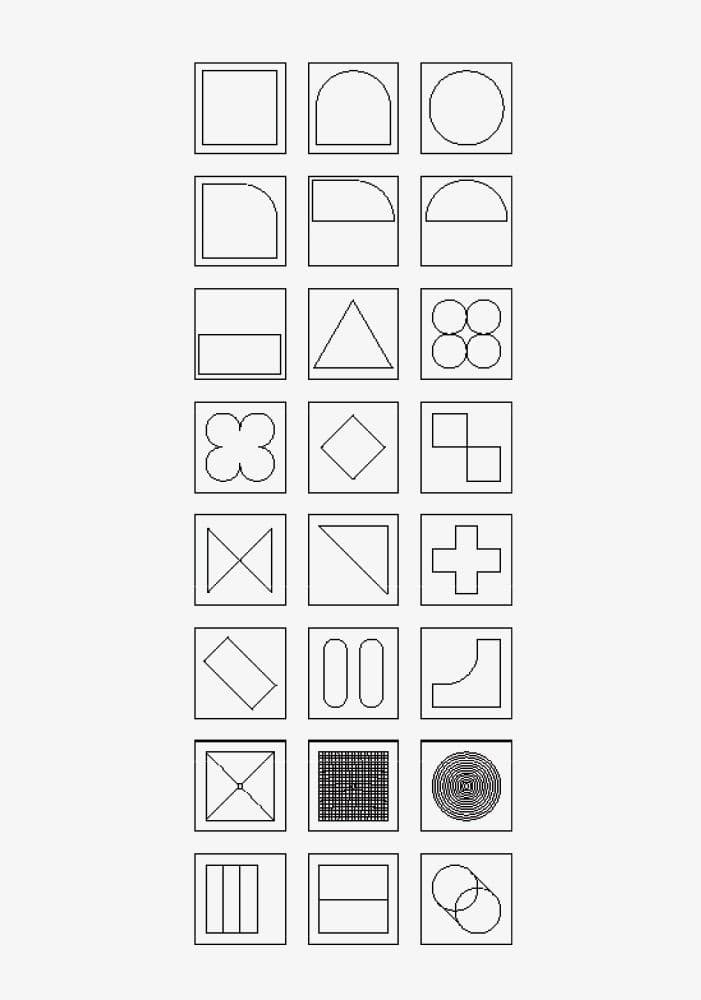
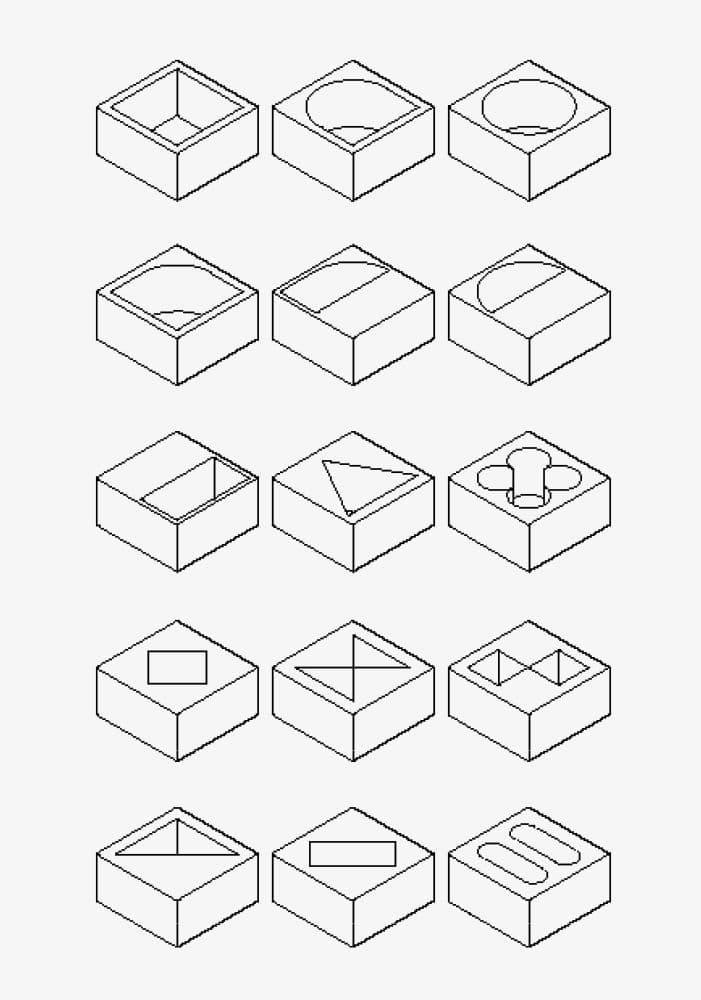
Martin Heidegger’s exploration of thingness and dwelling provides a philosophical lens through which to reconsider plastic. Heidegger reminds us that objects are not merely tools but are deeply embedded in our experience of being. He critiques modernity’s tendency to render materials as resources, stripped of their essential nature and reduced to mere function. In this context, plastic has suffered a similar fate—valued only for its immediate utility and then cast aside. However, if we shift our perspective, plastic could be seen not as a throwaway medium but as one with an extended, meaningful life cycle.
Historically, materials such as stone, wood, and metal have been revered for their endurance, their ability to bear the weight of time and cultural memory. Plastic, however, has been denied this status. Yet, there are moments where plastic asserts itself as a material of timelessness. Consider the Bakelite objects of the early 20th century, treasured as collectable artifacts. Or the use of advanced plastics in aerospace engineering, medical technology, and high-performance architecture—domains where plastic’s durability is a virtue. These examples suggest that plastic, when treated with intention, has the potential to transcend its status as a disposable commodity

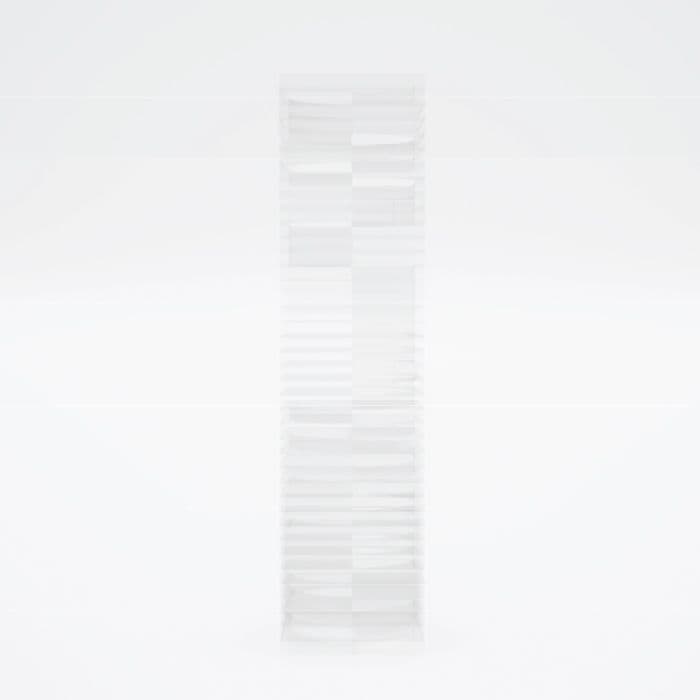

The challenge, then, is not the material itself but how we engage with it. Can we design for longevity rather than transience? Can we create objects and structures that honour plastic’s durability rather than deny it? As architects, designers, and artists, we must advocate for a shift in perception—one where plastic is not an ecological burden but a material of possibility.
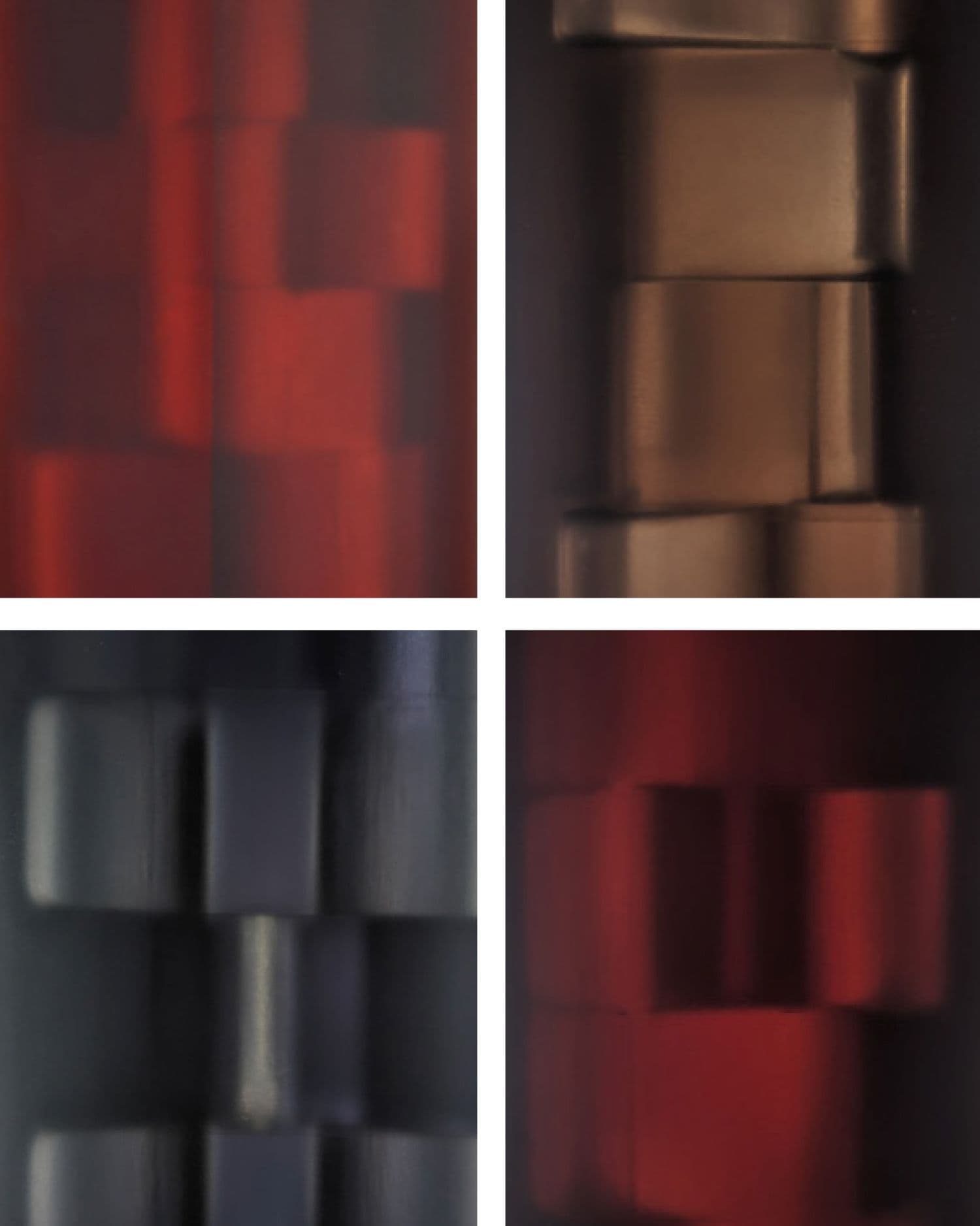
Our exhibition Longevity explores these ideas, positioning plastic as a material worthy of reconsideration. By bringing together works that interrogate the tension between impermanence and permanence, the exhibition challenges the prevailing narratives surrounding plastic and asks: what if we built with the future in mind? What if, instead of discarding plastic, we cherished it?
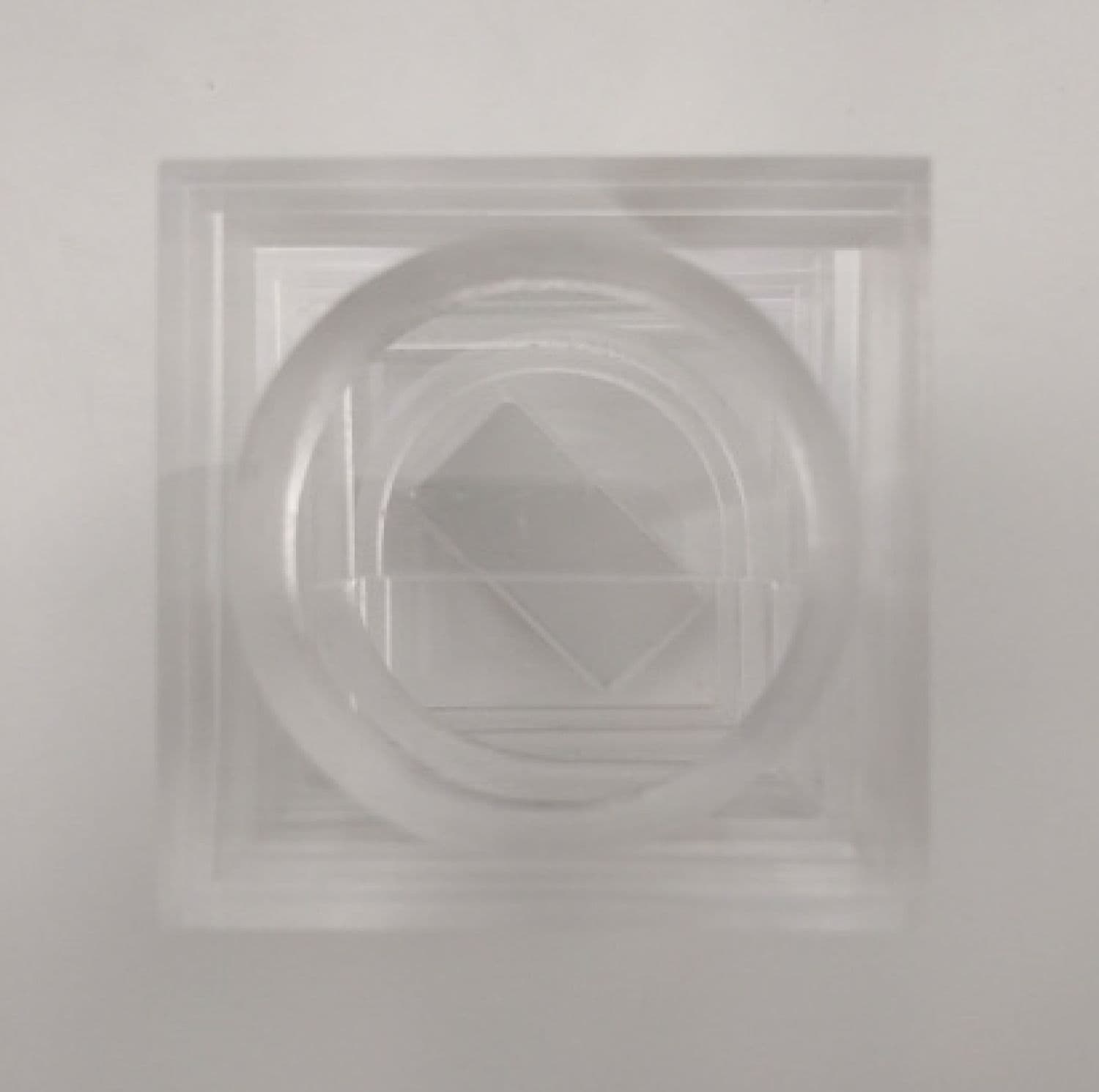
To embrace plastic as a material of longevity is to engage with it critically, responsibly, and creatively. In doing so, we not only reshape our material culture but also redefine our relationship with time itself. Heidegger speaks of dwelling as an act of care—perhaps it is time to extend that care to plastic, treating it not as waste, but as something enduring, something that demands stewardship. Plastic, whether we acknowledge it or not, is already an indelible part of our environment. The question is not whether it will persist, but how we choose to live with it.