Longevity: Endurance & Decay
CloseThere is an elegance to things that refuse to be preserved. In architecture, material longevity is not about resisting time but surrendering to it in the most graceful way. Stone darkens, concrete softens, brick crumbles. Architecture, when it is honest, does not attempt to outlive its own decay. Instead, it embraces entropy as part of its being, as something intrinsic to its meaning.
The endurance of materials tells a story that extends beyond their initial construction. Stone, brick, and timber are materials shaped by natural forces long before they were ever placed by human hands and carry with them a temporal depth. They do not simply endure; they transform. The weathering of a building is not a sign of failure but a testament to its participation in time. The slow dissolution of materials, the marks left by rain and wind, the discoloration of surfaces, these are signs of life, of architecture existing in a state of becoming rather than remaining frozen in time.
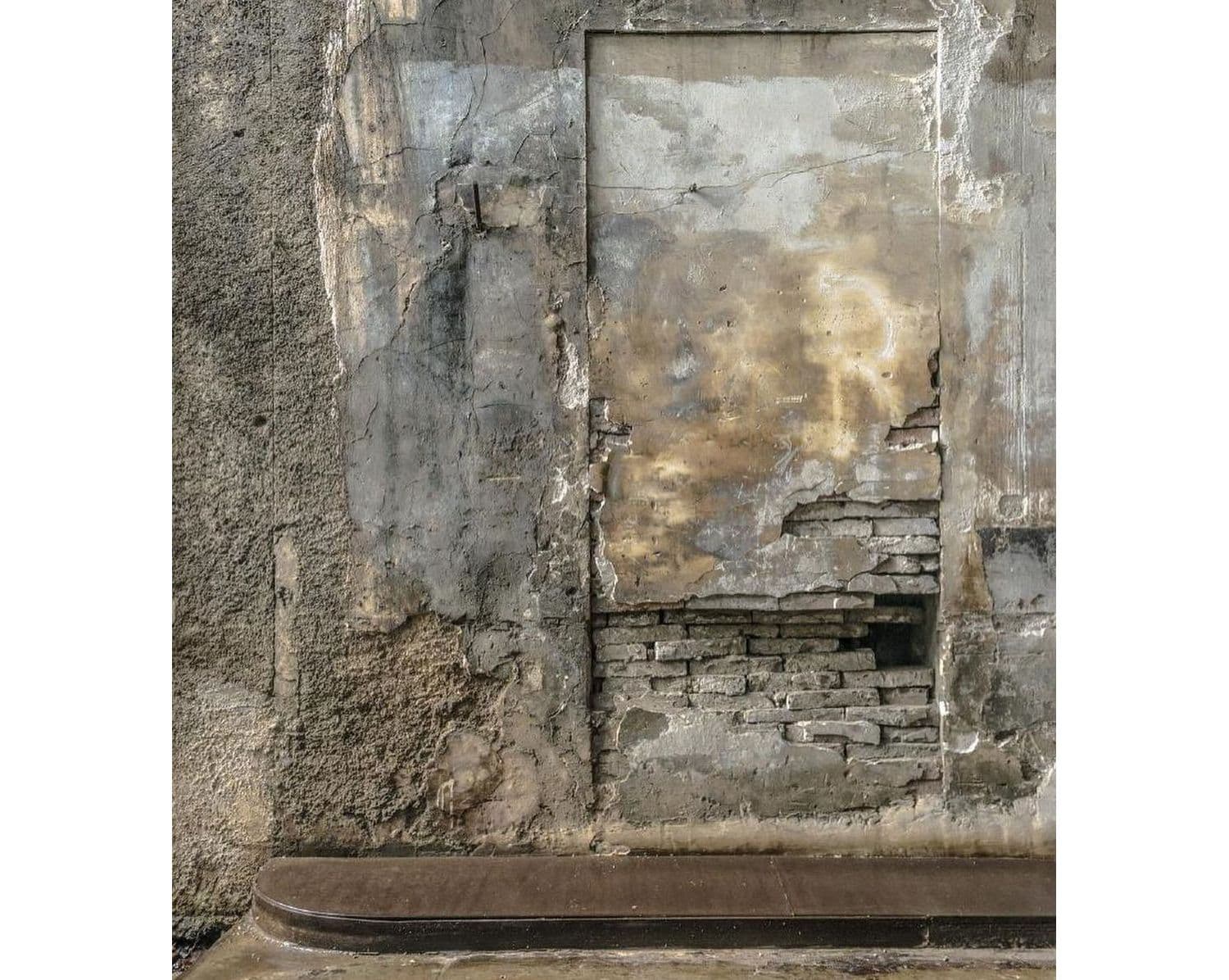
Philosophers have long meditated on the passage of time and the permanence of material. Heidegger saw buildings as vessels for dwelling, inextricably linked to the human experience of mortality. Bachelard spoke of material memory, how surfaces collect traces of existence of absorbing human touch, light, and air. In these readings architecture is not an object it is a process, shifting between states, moving toward dissolution. Gilles Deleuze, in Difference and Repetition reframed the concept of permanence arguing that true endurance is not the mere survival of form but its continual transformation. A material that ages is not deteriorating it is expressing its potential for difference through time.
Stone, with its sedimentary history, embodies the passage of millennia. We must note here its presence is never singular. At the Musical Studies Centre in Santiago de Compostela, the monolithic slabs appear less built than unearthed, as if they have always been there. Slowly weathering their surfaces, rough yet precise, invite the growth of moss, the etching of rain, the absorption of light. With time they become something else never stagnant, never finished continually shifting in response to their surroundings. This is Deleuze’s difference in motion, an architecture that does not resist time but actively participates in it, evolving through its repetitions.
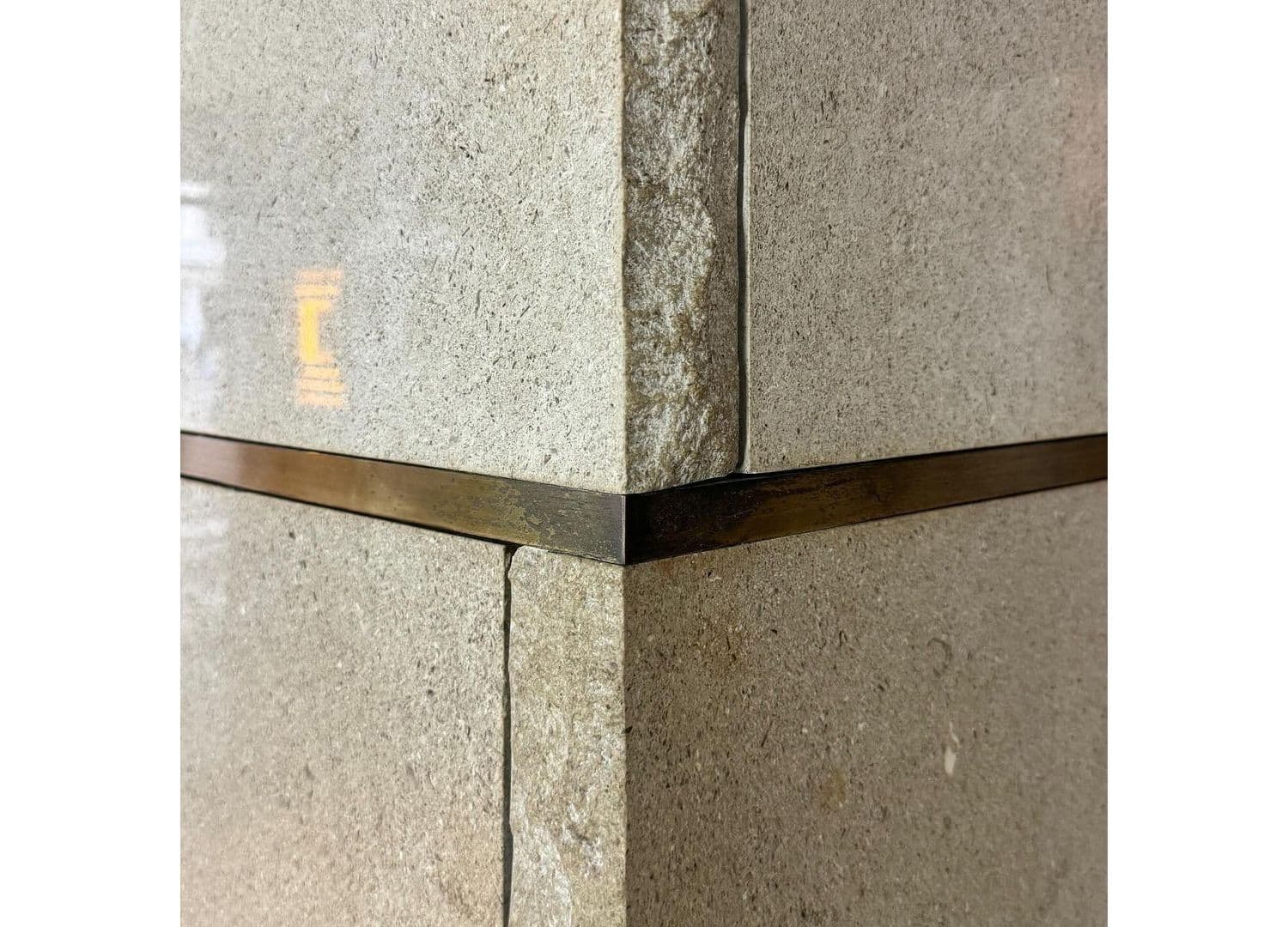
In contrast, much of contemporary construction is defined not by endurance but by disposability. The materials of the present like glass, composite panels, synthetic claddings do not change over time in ways that deepen their meaning. Instead, they deteriorate abruptly. Unlike stone or brick, which develop a patina, acquire texture, and reveal new qualities with exposure, modern materials fail in ways that are neither poetic nor anticipated. A cracked glass façade does not reveal its history, it simply breaks. A composite panel does not soften, it delaminates and peels away. The aging of these materials is not an evolution but a failure, a reminder of their short lifespans and disposability.
Concrete, once thought of as a material of endurance, now faces an uncertain future in the context of contemporary building. Historically, it has been a medium of immense weight and presence, its weathering capable of producing surfaces that speak to the passage of time. However, the concrete of today is reinforced with steel, designed for speed rather than longevity and does not age in the same way. It cracks prematurely, its reinforcements corrode, its composition weakens under conditions that older structures could withstand for centuries. The illusion of permanence in contemporary construction is a fragile one, sustained only for as long as materials can be maintained in their original, unblemished state.
The very concept of maintenance in modern architecture reveals an aversion to the idea of decay. Buildings are treated as static objects, their surfaces meticulously cleaned, repaired, replaced to maintain an artificial sense of newness. This obsession with preservation denies the natural cycles of material endurance. It is an approach that does not allow materials to express their full lifespan, forcing them instead into a futile resistance against time.
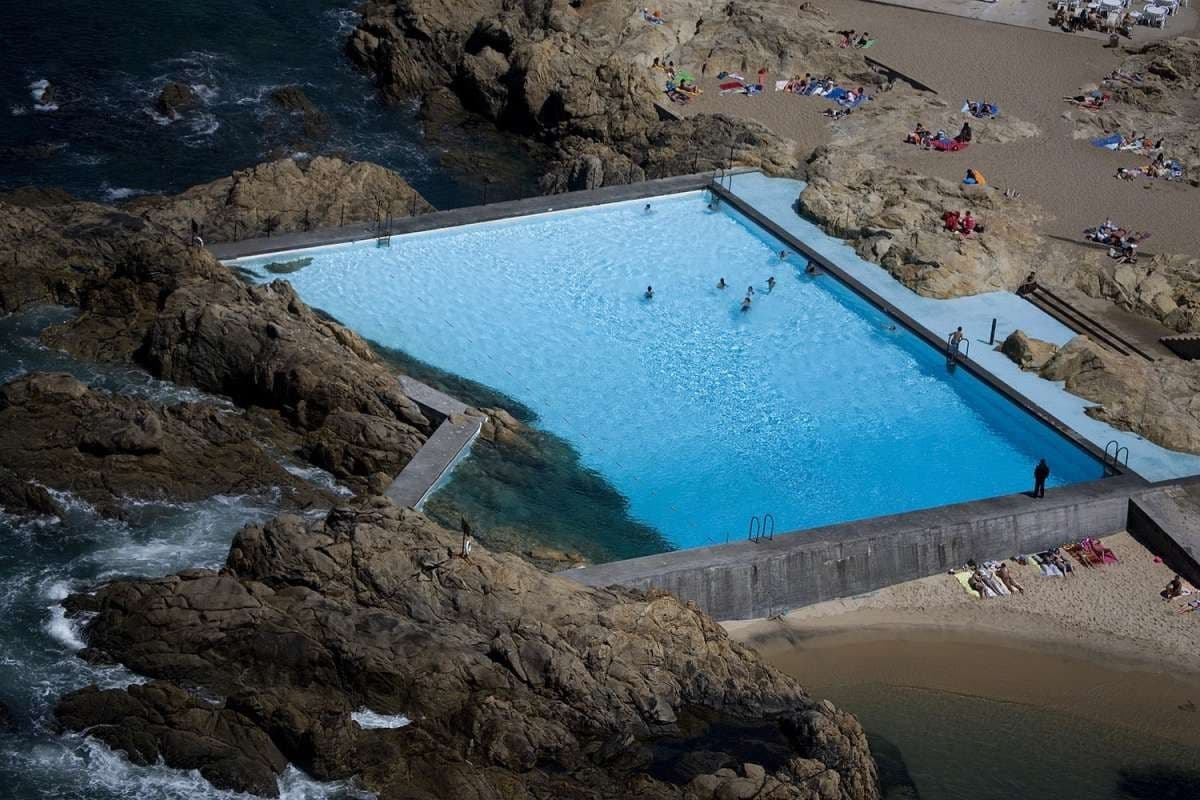
Yet, to build for endurance is not to insist on permanence, but to understand decay as an intrinsic and necessary part of architecture. A building that weathers gracefully does not become obsolete it gains character. The marks left by time, by climate, by human use, transform architecture into something more than just a structure: they turn it into a document of existence, a physical record of change.
Deleuze’s vision of repetition is not about sameness but about continuous transformation. Each instance of material change producing something new, something unexpected. An architecture designed to weather and age, rather than to resist time, aligns itself with life rather than opposing it. It acknowledges that humans, too, are in flux, constantly adapting, marked by time in ways that cannot be reversed. If a building can echo this condition, if it can bear traces of its use, of its environment, of its gradual transformation then it becomes more human, more alive.
Perhaps the future of architecture is not one of pristine surfaces but of adaptive, mutable, and evolving forms. An architecture that does not fear decay but works with it. To embrace this is to design with the understanding that no building is ever finished, that its life is continuous, and that the beauty of endurance lies not in resisting time, but in surrendering to it with grace.