Housing: Embracing specificity in Australian suburbs
CloseFor too long, Australian suburbs have been defined by sameness. The detached home on a quarter-acre block once a symbol of postwar prosperity has calcified into an outdated formula for Australian housing that no longer reflects the realities of contemporary living. The homogeneity of suburban housing has led to a crisis of affordability, environmental inefficiency, and spatial inflexibility, leaving many households underserved by available options, and living in houses to big to afford. To meet the evolving needs of Australian society, we must rethink the DNA of suburban housing by embracing specificity over generic repetition.
The prevailing model of standardised, speculative housing assumes that all households have the same needs. However, contemporary Australia is defined by diverse family structures, economic circumstances, and lifestyle requirements. Architects, developers, and policymakers must champion a new generation of suburban housing typologies, typologies that are tailored, context-sensitive, and responsive to individual household needs rather than a one-size-fits-all approach.
The Australian suburban ideal was shaped in the postwar period through government policy, economic expansion, and cultural aspiration. The Commonwealth Housing Commission of 1944 sought to create a “home-owning democracy,” and by the 1950s, mass-produced detached dwellings had become the backbone of suburban expansion. From the Housing Commission of Victoria’s estates to the proliferation of ‘project homes’ by developers such as AV Jennings, postwar Australia was defined by a standardised approach to housing.
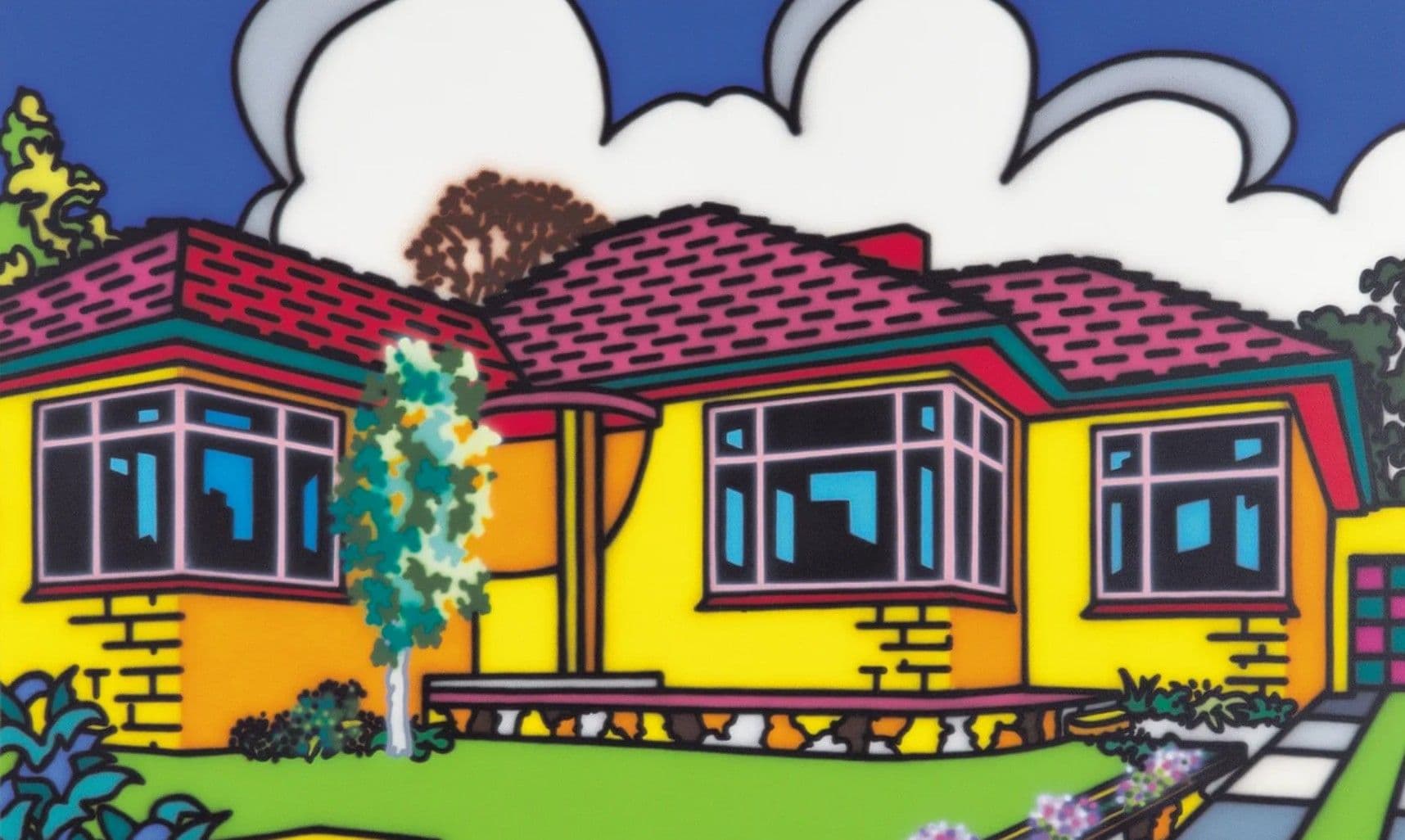
The economic rationale was clear, uniformity enabled speed, affordability, and scalability. However, this model reinforced by zoning policies that prioritise detached housing, has remained largely unchanged despite shifting social and demographic patterns. As urban populations grow, household compositions diversify, and land values skyrocket, the need for alternative housing models has never been more urgent. The key to this evolution is specificity. Housing that is designed for the people who will live in it rather than for realestate.com.au.
Generic housing typically ignores the the changing nature of Australian households. Instead of a singular housing model, suburban developments should reflect a spectrum of living arrangements. From multi-generational families to co-living communities to housing for aging mobile singles. When housing is designed to be specific rather than generic, it naturally allows for multiple price points, greater spatial efficiency, and a higher quality of life for its residents. This is a win win for developers, housing providers and all Australians. If we look overseas and even to our recent past there are a multitude of typologies that we could apply to Australian cities.
Courtyard Housing
A reinterpretation of the detached home, courtyard housing introduces permeability and shared spaces, allowing for high-quality density without sacrificing privacy. Common in Mediterranean and Asian urban traditions, this typology provides flexible layouts suitable for intergenerational living.
Shop-Top Housing
A revival of a typology once common in Australian towns, shop-top housing integrates small-scale commercial uses with residential units. This fosters walkability, micro-retail economies, and local employment while addressing suburban sprawl. A case in point is Tokyo where these typologies are a key to supporting artisans, small business and affordable housing.
Co-Housing and Cluster Housing
Instead of isolating households, co-housing promotes community living with shared gardens, kitchens, and common areas. Cluster housing developments, such as Nightingale Housing’s projects, illustrate how sustainability and affordability can coexist through collective decision-making and efficient land use.
Granny Flats, Dual Occupancy, and Laneway Housing:
Suburban backyards represent vast underutilized space. By encouraging secondary dwellings, municipalities can create rental opportunities, multigenerational housing solutions, and gentle urban intensification. Pathways have already been opened up in Victoria to support this typology.
Terrace-Style and Row Housing
In contrast to the detached home model, well-designed row housing can provide high-density living with a strong sense of individuality. Unlike apartment complexes, terraces offer direct street engagement and opportunities for personalisation.
Live-Work Hybrid Housing
Similar to shop top but at a smaller scale, think of the loft space. As remote and hybrid work models solidify, suburban homes must incorporate dedicated workspaces. Adaptable housing designs that allow for small business operations, creative studios, or flexible office spaces are crucial in responding to new economic realities.
For these typologies to flourish, regulatory reform is essential. Australian planning codes reinforce a paradigm that privileges detached housing in suburban settings over diverse models. Policies such as restrictive minimum lot sizes and exclusionary zoning have constrained housing innovation.
New suburban housing typologies must also confront aesthetics. The dominance of project homes characterized by inefficient layouts, and oversized footprints reflects a cultural inertia in the expectations for suburban housing design. Instead, a new wave of architectural language should embrace site-specificity, material efficiency, and environmental responsiveness. Australian projects such as SJB Architecture’s 19 Waterloo Street, or Partners Hill Mermaid Multihouse offer compelling alternatives to the generic detached suburban house. These projects emphasise passive design, communal interaction, and a deep engagement with both site and social fabric.
Reimagining suburban housing is not simply a question of density, it is about designing for life. As climate change, demographic shifts, and economic pressures reshape how we live, the suburb must evolve from a static entity into a dynamic, adaptive environment.
The next generation of suburban housing in Australia must reject formulaic repetition and embrace specificity. Through innovative typologies, strategic policy interventions, and a redefinition of what a home can be, we can create suburbs that are not just housing estates but living ecosystems that are flexible, affordable, and resilient.